About Real Dog Lab
One household, one dog, and a rule that nothing gets called "tested" unless it actually was.
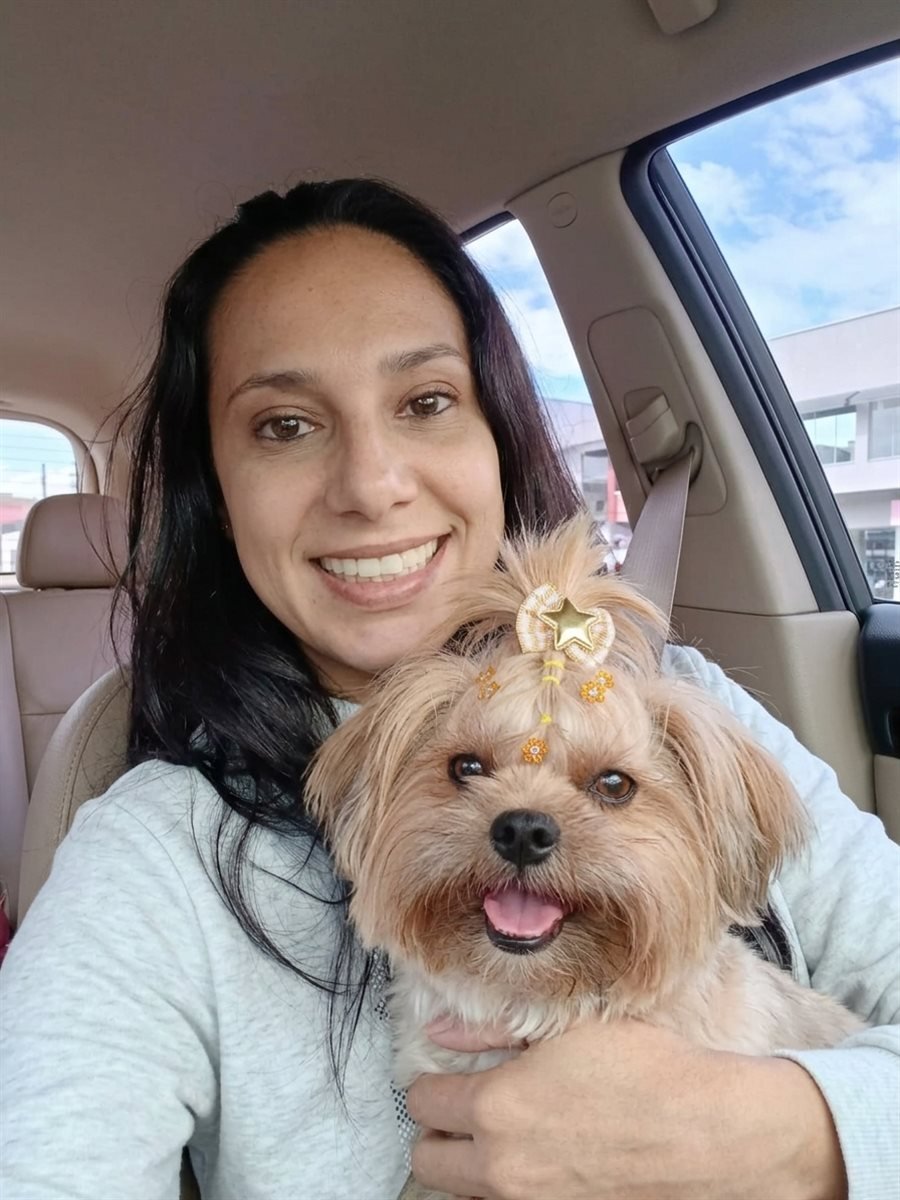
Who writes this
Real Dog Lab is written by Mila Bruck, a dog owner living with Vicky, an adult Yorkshire Terrier.
Not a veterinarian. Not a certified trainer. Not a behaviorist. That is stated plainly because it changes what you should take from this site: these are the notes of someone working through the same problems as you, checked carefully against published veterinary behavior guidance — not clinical advice.
What we do have is the one thing most of the big pet sites are missing, and say so themselves in their own methodology pages: an actual dog, in an actual house, with the products actually opened.
How we assess a product
Every recommendation on this site carries one of three labels, and the label is always visible:
| Label | What it means | What you can conclude |
|---|---|---|
| Tested at home | We bought or were given it, used it with Vicky, for a stated length of time | First-hand experience — including what went wrong |
| Desk research | We read the manufacturer's material, the ingredient evidence and owner reports, but did not use it | Informed opinion, not experience |
| Not published | We looked for something and could not find it — a clinical study, an ingredient dose, a refund policy in writing | A gap you should know about before buying |
That third row is the one that matters most. Every review site tells you what it found. Almost none tell you what it went looking for and could not find, and that silence is where most of the misleading happens.
What we will never do
- Claim a test that did not happen. If a product on a list was not used with our dog, the entry says so.
- Invent a veterinary reviewer. Some large pet sites employ real veterinarians and display their credentials. We do not have one, so there is no badge. We cite published guidance from AVSAB, ASPCA and AAHA and link to the source so you can read it yourself.
- Recommend anything that works through pain, startle or intimidation. Shock collars, prong collars and choke chains are excluded regardless of how well they sell, in line with the AVSAB position statement on humane dog training.
- Publish a rating we made up. No star ratings on products we have not properly assessed, and no invented review counts.
- Let commission set the order. On our comparison pages the free environmental changes outrank several paid products, and the last two entries are a professional consultation and a veterinary appointment. Neither pays us anything.
How this site makes money
Affiliate links. When you buy something through a link here, the retailer or brand may pay us a commission at no extra cost to you.
Two things follow from that, and you should hold us to both:
- The disclosure appears near the top of every article that contains an affiliate link, above the first link, not buried at the bottom.
- Commission never determines the ranking. The easiest way to check this is to notice how often we tell you to spend nothing.
We are not paid by any brand for coverage, we do not accept payment for a position on a list, and no brand gets to review an article before it goes up.
Where our information comes from
Behavior content on this site is checked against:
- American Veterinary Society of Animal Behavior — position statements, including the 2021 statement on humane dog training
- ASPCA — behavior guidance for owners, and the ASPCA Pro protocols written for shelters and professionals
- American Animal Hospital Association — Canine and Feline Behavior Management Guidelines
Every article ends with the specific sources used for that article. If we get something wrong, we would genuinely like to know.
What this site is not
This is not veterinary advice. Nothing here diagnoses, treats or prevents any condition. Behavior changes frequently have medical causes — pain, sensory decline, cognitive change, endocrine conditions — and those need a veterinarian, not an article.
Please see a licensed veterinarian before starting any behavior or supplement plan, and straight away if your dog's behavior changes suddenly, if it injures itself, or if there is any risk of a bite. For moderate to severe cases, a veterinary behaviorist (DACVB) or a certified behavior consultant is worth more than anything you will read here.